
A small leak inside a wall, under a slab or in a crawlspace can run for weeks or months before anyone notices, and by then it may have done real damage.
Here is how to spot the warning signs, what you can check yourself and what a professional leak detection visit involves.
Why hidden leaks matter
Unchecked leaks are destructive. They can warp and rot wood floors, weaken drywall and framing, and let mold and mildew take hold, which can raise health concerns. They also push up your water bill. Often you see the damage long before you find the source.
Signs you may have a hidden leak
- A water bill that rises with no change in how you use water.
- Water stains on ceilings or walls, or paint that bubbles or peels.
- Musty smells or visible mold.
- Warped, soft or discolored flooring.
- The sound of running or dripping water when nothing is on.
- Damp spots in the yard or low water pressure.
Our guide on five signs of a hidden plumbing leak goes into more detail.
A simple check at home
Before you call, you can do two quick things. First, turn off every faucet and water-using appliance, including the ice maker and irrigation, and look at your water meter. Most meters have a leak indicator, and on a digital register it shows as a ‘+’ while water is flowing. If it moves, water is going somewhere. If it holds still, write down the reading, keep the water off for at least 30 minutes and read it again. A higher number points to a slow leak. Second, look under sinks, around toilets and near your water heater for moisture or drips. If you find nothing but still suspect a problem, it is time for a professional.
If a hard freeze is in the forecast, know where your main water shutoff is. If a pipe freezes and bursts, that is the first thing to turn.
What leak detection involves
Water can be hard to trace. It travels along framing and under floors, so the stain is rarely right below the source. A leak may also be a plumbing problem, a roof leak or a drainage issue, and you want to know which one.
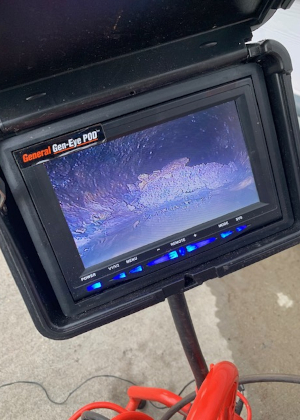
Our master and journeyman plumbers use specialized equipment to locate the source of the problem. If a plumbing issue is behind it, we then provide repairs to end the leak. For drain lines, a plumbing camera inspection lets us see inside the pipe without unnecessary digging. See our leak detection service and plumbing camera inspection.
Repair or replace?
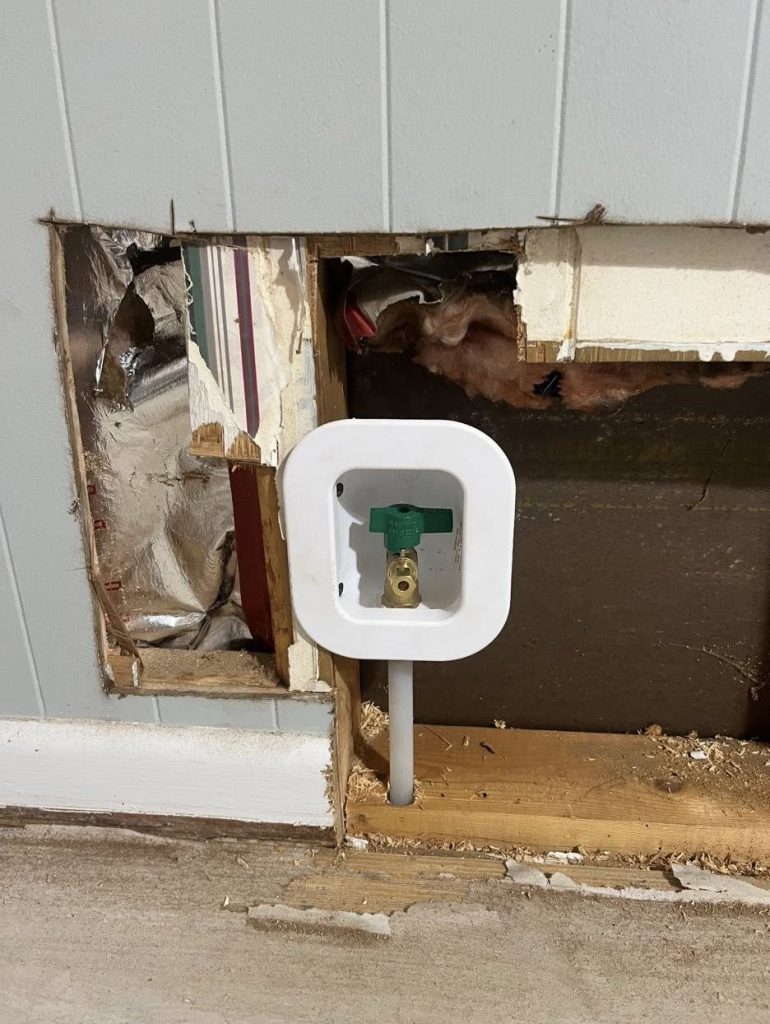
Once the leak is found, the fix depends on the pipe. We evaluate the condition of your pipes and tell you whether they need repair or are nearing the end of their life. In many cases a repair is cost-effective, and we do not pitch repiping when your home does not need it. Learn more about broken pipes.
Leaks in a business
In a commercial property, a hidden leak can mean damage to inventory, ceilings and floors, plus disruption. We offer commercial leak detection as part of our commercial plumbing services.
We help property owners in Wilmington, Carolina Beach, Wrightsville Beach and Leland.
Frequently asked questions
How do I know if I have a hidden leak?
Watch for a rising water bill, stains, musty smells, warped flooring and the sound of water when nothing is on. Checking your water meter with every fixture off is a quick test. If the reading changes, water is going somewhere.
Can a leak cause mold?
Yes. Water that sits can let mold and mildew develop, so fixing a leak promptly helps prevent it.
How do you find a hidden leak?
We use specialized equipment to locate the source, and for drain lines a plumbing camera inspection shows us the inside of the pipe, so there is less digging.
Do you do leak detection for businesses?
Yes. We offer commercial leak detection.
Can a leak be an emergency?
Yes. If water is actively flooding or a pipe has burst, shut off the water and call. We offer 24/7 emergency service.
Think you have a leak?
Call East Atlantic Plumbing at (910) 616-3238. For urgent leaks we are available 24/7. You can also contact us online.