
The Atlantic hurricane season runs from June 1 to November 30, and living near the coast means storms are part of life in and around Wilmington. Most of the preparation is about people and property, but your plumbing deserves a place on the list.
The advice below is general. Always follow guidance from local officials and your water and sewer utility during a storm.
Why storm prep matters here
Hurricane Florence is the local reminder. According to the National Weather Service in Wilmington, the storm made landfall near Wrightsville Beach on September 14, 2018. The Wilmington airport measured 23.02 inches of rain and a peak wind gust of 105 mph. Electricity was cut to over 90 percent of New Hanover County, and full restoration took over ten days. Flash flooding put up to three feet of water into homes in the Northchase neighborhood, and flooding closed every route into Wilmington for several days.
The same report says more than 22 million gallons of untreated sewage overflowed into area waterways. That is why the sections below cover shutoffs, drains and the sewer line as well as the water heater.
Before a storm
Know where your shutoffs are
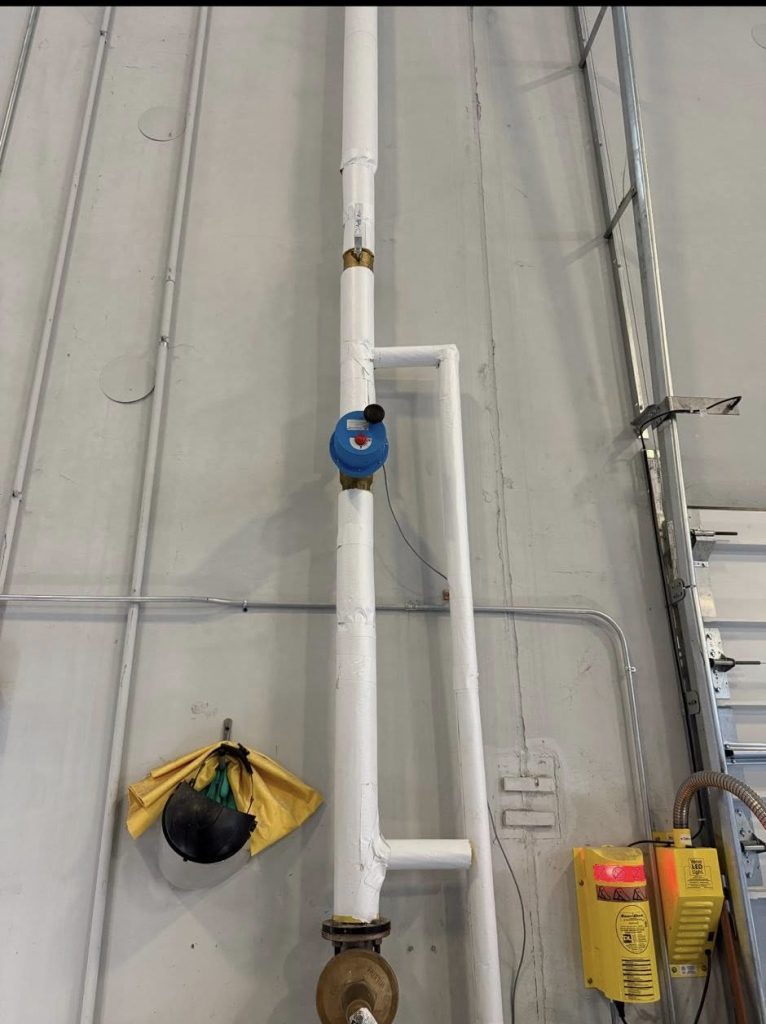
Every adult in the household should know where the main water shutoff is and how to close it. If a pipe breaks during or after a storm, being able to stop the water in seconds limits the damage. Business owners should make sure staff on every shift know where it is.
Check your drains and sewer line
Slow drains are an early sign of a blockage, and a blockage is harder to live with when the ground is saturated. If your drains have been sluggish, have them looked at now. A plumbing camera inspection can show what is going on inside the line without digging.
Look at your water heater
If your water heater is old, leaking or showing signs of trouble, deal with it before a storm. Replacing one in a hurry during storm recovery is harder than planning it ahead. See our guide on what to expect from a water heater installation.
Walk the outside of the property
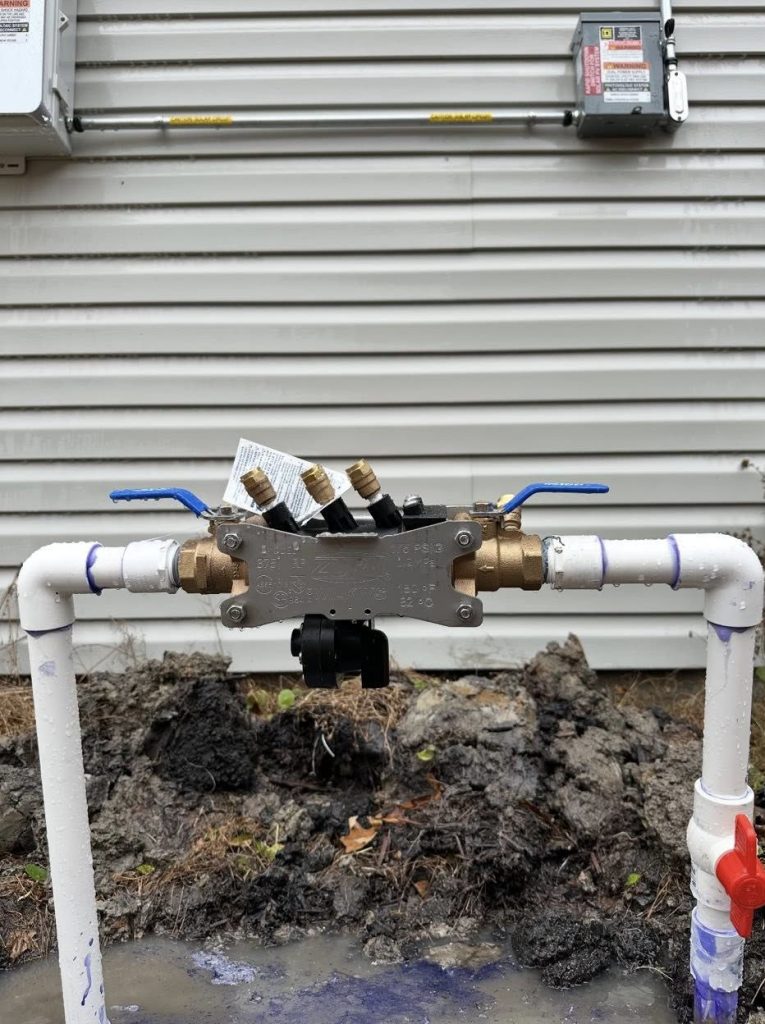
Check outdoor spigots, exposed pipes and anything that is not secured. Clear debris from areas around cleanouts and drains where you can safely do so. Do the same around outdoor equipment such as backflow assemblies and pumps.
Plan for water
Have a plan for drinking water in case service is interrupted.
After a storm
Check for leaks
Before you assume everything is fine, look for signs of a problem: water stains on ceilings or walls, damp or buckled floors, musty smells, the sound of running water when nothing is on, or a water meter that keeps moving when everything is off. Hidden leaks do not announce themselves. See signs you may have a hidden plumbing leak.
Be careful with drains and toilets
If water is backing up, slow to drain or gurgling, stop using plumbing fixtures and call a plumber. If there has been flooding, assume that water may be contaminated and keep people and pets away from it. Sewage carries health risks.
Flooded appliances
Do not use a water heater or other gas or electric appliance that has been in floodwater until it has been inspected by a qualified professional. Controls and electrical parts can be damaged in ways you cannot see.
Follow your utility’s advice on drinking water
If your utility issues a boil-water advisory after a storm, follow it until officials say the water is safe again.
When to call a plumber
Call a licensed plumber if you see any of these after a storm:
- A broken or burst pipe, or water you cannot stop.
- Sewage backing up into tubs, toilets or floor drains.
- A water heater that was flooded, is leaking, or is not working.
- A water bill that jumps or a meter that moves when nothing is running.
- Water stains, mold or odors that were not there before.
For emergencies, we offer 24/7 service. Read what to do in the first 10 minutes of a plumbing emergency so you are ready, and learn more about our emergency plumbing service.
We help homes and businesses in Wrightsville Beach, Carolina Beach, Kure Beach and Wilmington.
Frequently asked questions
When is hurricane season?
The Atlantic hurricane season runs from June 1 to November 30.
Should I turn off my water before a storm?
Turn it off if local officials tell you to, or if you are leaving and have time. Either way, know where your main shutoff is so you can close it quickly if a pipe breaks.
Is it safe to use my plumbing after flooding?
Not until you have checked that your drains run freely. If water is backing up or draining slowly, stop using fixtures, call a plumber and follow your sewer utility’s advice.
Can a flooded water heater be reused?
Do not use a water heater that has been in floodwater until a qualified professional has inspected it.
Do you offer emergency service after storms?
Yes. We offer 24/7 emergency plumbing for homes and businesses in the Wilmington area.
Have a plumbing question about storm prep?
Call East Atlantic Plumbing at (910) 616-3238. For emergencies we are available 24/7. You can also contact us online.